
Inline-Six vs. V6 Engines: What the Layout Changes
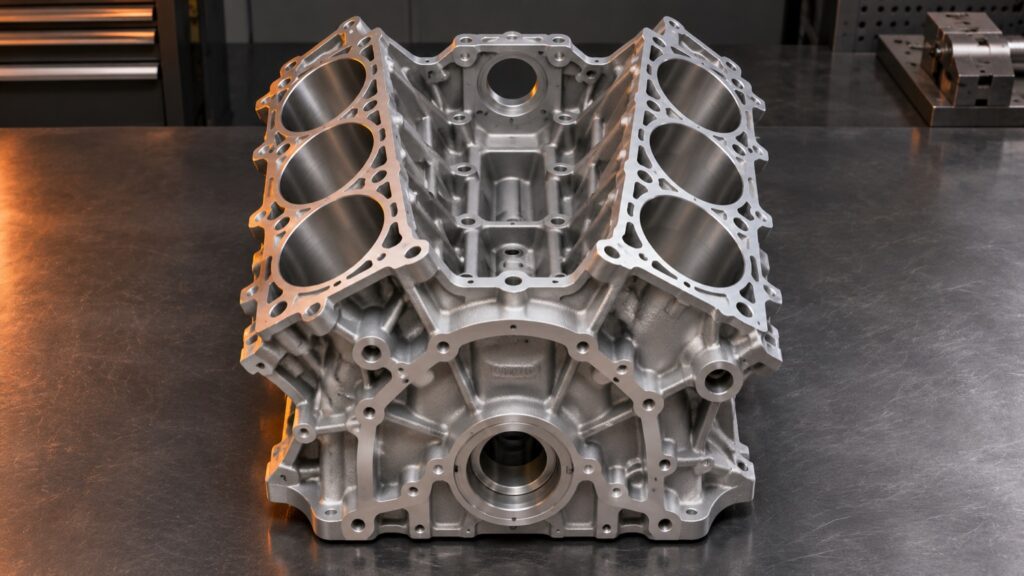
Six-cylinder engines come in two common layouts. An inline-six places all six cylinders in a single row. A V6 splits them into two angled banks of three. That change affects how much room the engine takes up, how it manages vibration and which parts a buyer needs to check when ordering a replacement.
Inline-six: A long, narrow layout
An inline-six typically has one cylinder head and a long, narrow block. In a conventional inline-six, the piston arrangement naturally cancels primary and secondary shaking forces. That inherent balance is one reason the layout is known for smooth running.
The single row also makes the assembly longer. The layout often suits vehicles with a longitudinal engine bay, where the engine sits front to back. For workshop access, a single cylinder bank can simplify some jobs, although the position of the turbocharger, exhaust and timing components still varies by model.
V6: A shorter block with two cylinder banks
A V6 places three cylinders on each side of the crankshaft and typically uses two cylinder heads. Its shorter block can help vehicle designers work within a tight engine bay. This is especially useful in many transverse applications, where the engine and transmission sit side by side across the vehicle. V6 engines also appear in longitudinal applications.
A V6’s vibration characteristics depend on its bank angle and crankshaft design. Manufacturers can also use counterweights, balance shafts or engine mounts to manage vibration. When ordering cylinder heads, manifolds or related parts, check whether the manufacturer specifies a left or right bank and how it identifies each side.
Check these details before ordering a replacement
Two engines with the same cylinder count and displacement can have different mounting points, oil pans or sensors. Before requesting a quote, gather these details:
- Engine identification. Provide the engine code, vehicle make and model, model year and market. Include the applicable OE part number and a photo of the engine ID label or stamping if available.
- Fitment. Confirm the transmission mating pattern, mount locations and oil pan shape. For a cylinder block, cross-check the original casting number, relevant machining features, and the oil and coolant passages.
- Electronics and emissions. Check sensor locations, crank and cam trigger patterns, and the vehicle’s applicable emissions configuration.
- Supply scope. Specify whether you need a bare block, short block, long block or complete engine. Ask for a written list of included parts, especially the timing components, manifolds, fuel system and accessories.
For a replacement-engine or cylinder-block inquiry, contact Yuan Yi with the engine code, OE part number and photos of the original unit. These details help us review fitment and quote the assembly you need.
Technical reference for layout and packaging: BMW M3 S54 engine overview.